Keep every message and payment inside eBay, and document everything that happens along the way. That single habit preserves the marketplace protections that off-platform deals strip away. Refuse mobile apps, wire transfers, gift cards, and cryptocurrency from unknown buyers. Save every message, receipt, and tracking event, and report suspicious buyers promptly.
TL;DR:
- A deposited overpayment check can appear available within two days, yet banks may need weeks to detect fraud, so never refund the difference early.
- Off platform payments remove eBay protections and dispute rights; decline requests for mobile apps, wire transfers, cryptocurrency, or gift card refunds.
- Ship with tracking, add signature confirmation for higher value items, and save messages, payment records, order details, tracking numbers, and pre shipment photos.
- If fraud is suspected, pause shipments, open an eBay case, contact your bank, and file relevant FTC or Postal Inspection Service reports promptly.
- Do not scan QR codes from unsolicited packages or open buyer links; preserve them as evidence and report mail scams to the Postal Inspection Service.
Table of Contents
- Which ebay seller scams show up most often?
- What buyer red flags should make you pause?
- How can you prevent buyer fraud before it starts?
- How do you document incidents and report buyer fraud?
- What should you do in the first 72 hours after fraud?
- Why does community reporting matter?
- How we help you stop repeat buyer fraud
- FAQ
- Sources
Which ebay seller scams show up most often?
Most buyer-side fraud follows a few repeatable patterns. Knowing them by name makes the warning signs easier to catch before an item ships.
- Overpayment and fake payment notices. A buyer sends a check or payment for more than the item's price and asks you to refund the difference. Banks often make deposited funds available within two days even when the check is fake, and it can take weeks for the bank to identify a fraudulent check. A balance that looks cleared is not proof that the money is real.
- Off-platform payment requests. The buyer asks to pay or chat through a mobile payment app, a wire transfer, or cryptocurrency. Federal guidance says stepping outside the marketplace removes its security protections, and that includes any dispute rights you would otherwise have.
- Return fraud and reshipping schemes. Some buyers recruit sellers or other people to receive packages and forward them. The Postal Inspection Service warns that reshipping can launder goods bought with stolen payment methods, and that participants risk civil or criminal liability.
- Brushing and quishing. Brushing sends unsolicited merchandise to create fake reviews in someone else's name, and the package may carry a QR code that leads to a phishing site. The Postal Inspection Service describes both in its brushing scam guidance.
- Impersonation and pressure tactics. A buyer claims the parcel never arrived, sends fabricated screenshots, and presses for an immediate refund outside the normal case process.
Each pattern aims to get you to act before verification catches up. The common thread is urgency, and urgency is the first thing to slow down.
What buyer red flags should make you pause?
Use this list as a quick triage before you ship or refund. One flag alone may be innocent. Several warning signs together justify stopping the transaction.
- The buyer urges you to pay or refund outside eBay, or insists on a mobile app or gift-card refund.
- The buyer wants the item shipped before payment has verifiably cleared, or says they overpaid by accident and asks for the difference back.
- You are asked to scan a QR code or open an unfamiliar link, which is a classic quishing setup.
- Tracking details conflict with the shipping address, the address looks unusual for the order, or the same buyer keeps returning under new accounts.
- The buyer asks for a verification code, or wants help setting up a phone or voice account. That is social engineering, not a normal purchase.
Federal trade guidance goes further on the second flag: be highly suspicious of any buyer who requests a refund for an alleged overpayment, because that tactic bypasses platform security.
Pro Tip: Screenshot the buyer's profile and message thread the moment a red flag appears. Buyers often delete or rename accounts once a scam stalls.
How can you prevent buyer fraud before it starts?
Prevention is mostly routine. The steps below take a few minutes to set up and then run in the background of every sale.
- Keep offers, messages, and payments inside eBay so its protections stay attached to the order.
- Decline mobile apps, wire transfers, and cryptocurrency from unknown buyers, and never deposit a check for more than the item's price, as the FTC advises.
- Use tracked shipping, and add signature confirmation on higher-value items, so delivery claims have evidence behind them.
- State your return address and return policy clearly in the listing, which removes room for misunderstandings that scammers exploit.
- Turn on two-factor authentication and never share a verification code with anyone, including someone claiming to be support.
- If an unsolicited package arrives, do not scan any QR code on it. Report it to the retailer and the Postal Inspection Service, which is the guidance in its brushing scam page.
- Review buyer histories before shipping and block repeat offenders in your seller tools.
Clear listings also help. A precise description, honest photos, and well-defined condition notes leave fewer gaps for a buyer to claim an item was "not as described." If you use AI to draft or proofread descriptions, check every measurement and compatibility claim yourself before publishing.
If you do run any checkout outside the marketplace, keep card data out of your own systems. Hosted checkout reduces what you handle, and this overview of PCI compliance for small business explains how.
Pro Tip: Block a problem buyer immediately and note the reason in your own records. A written reason and date make later reports far stronger.
How do you document incidents and report buyer fraud?
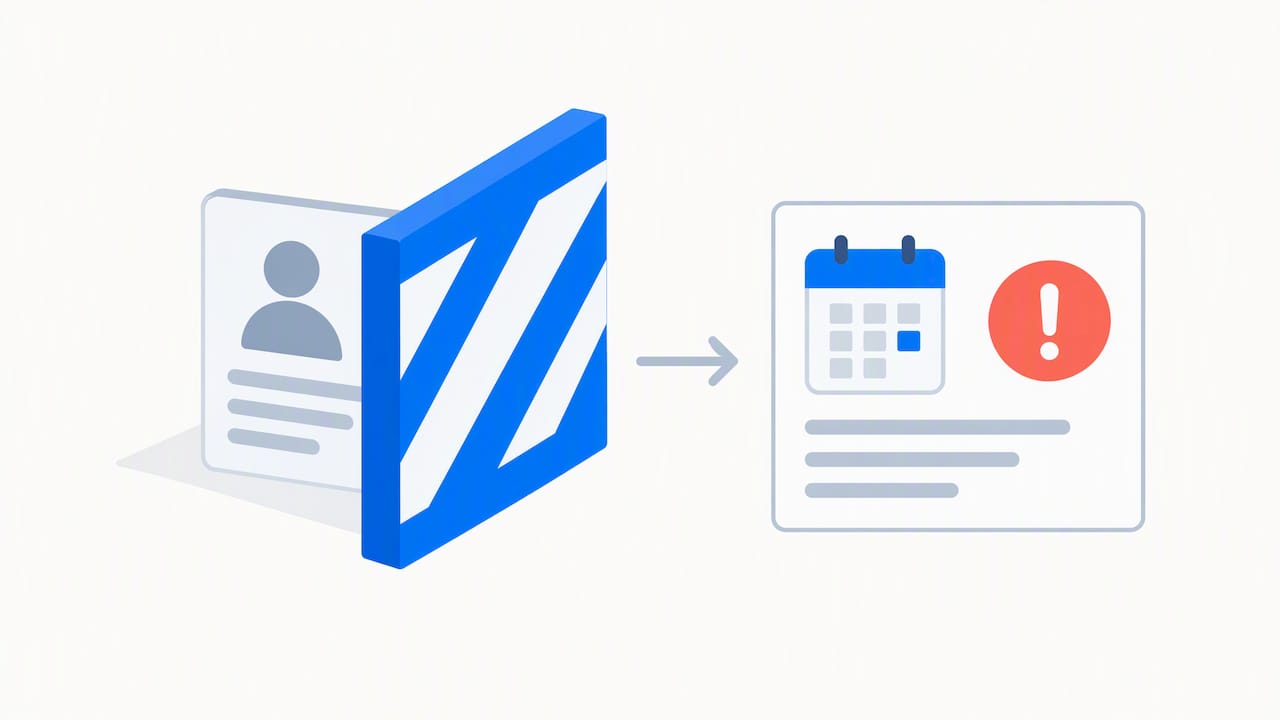
Good evidence decides whether a claim succeeds. Collect it as events happen, not after the dispute opens.
- Save the full message thread, payment records, order ID, tracking numbers, and photos of the item's condition before it shipped.
- Keep any URLs or QR codes the buyer sent, without clicking or scanning them.
- Do not ship on a questionable deposit. Funds can appear available before a check is finally verified, and the bank may later flag it as fraudulent.
- Report to eBay right away so an official case exists and your platform dispute rights are preserved.
- File a complaint at ReportFraud.ftc.gov, and report mail-related schemes such as reshipping or brushing to the Postal Inspection Service.
- When the loss is meaningful, file a police report and give the report number to eBay and your payment provider.
Marketplace transparency rules can also help you verify who you are dealing with. The INFORM Consumers Act requires many marketplaces to disclose contact information for certain high-volume third-party sellers and to give users a way to report suspicious activity.
For community reporting, our walkthrough on how to report an eBay buyer shows what evidence helps most.
What should you do in the first 72 hours after fraud?
Speed limits the damage. Work through this list in order.
- Pause open shipments and freeze similar active listings so the same buyer cannot repeat the trick.
- Preserve all evidence and open an eBay case immediately.
- Call your bank or payment provider to report suspected check or payment fraud and start their dispute process. Availability timing can slow resolution, so start early.
- File the FTC and Postal Inspection Service reports that apply, and keep copies of every report and message.
- Block the buyer in your account and report them through community channels so other sellers are warned.
Why does community reporting matter?
Community reporting can help sellers spot patterns that may not be visible from a single transaction. A single seller sees one bad order. A community sees the pattern, and patterns are how repeat offenders get caught faster than isolated claims ever could. We built SafeBay on that idea, and I recommend pairing every official dispute step with a community report. Our post on why reporting bad buyers protects all sellers explains the reasoning in more detail.
— Mykola
How we help you stop repeat buyer fraud
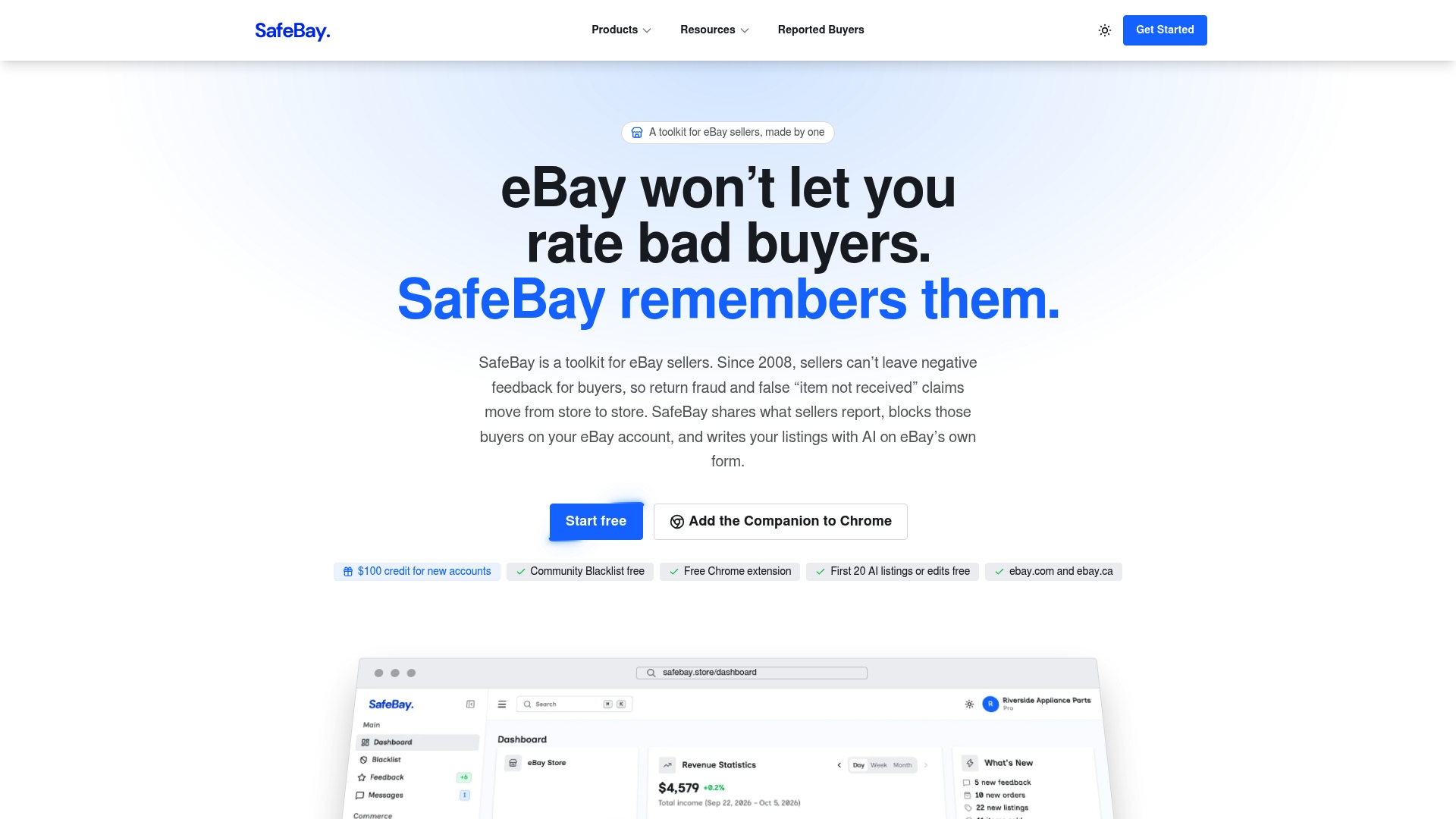
Official channels resolve individual cases. We help you avoid the next one. Our community blacklist collects reports from sellers, reviews them, and shares them, and the free SafeBay Companion Chrome extension syncs blocked buyers to your account and shows real-time buyer risk alerts. You can start on the Free plan, look up any buyer on our buyer status page, or install the SafeBay Companion extension to automate the blocking you would otherwise do by hand. It works alongside eBay's own dispute process, not in place of it.
FAQ
What is the most common scam against eBay sellers?
Overpayment and fake payment notices are among the most common. The buyer sends more than the price and asks for the difference back before the original payment is real. Never refund anything until you can confirm the funds are final.
Should I ever accept payment outside eBay?
No, not from unknown buyers. Federal guidance warns against accepting mobile apps, wire transfers, or cryptocurrency from strangers, and leaving the platform removes your marketplace protections.
What is brushing, and does it affect sellers?
Brushing means sending unsolicited items to someone to generate fake reviews under their name. Packages may carry QR codes that lead to phishing sites, so do not scan them and report the package to the retailer and the Postal Inspection Service.
Where do I report buyer fraud?
Report it to eBay first so a case is on record. Then file with the FTC at ReportFraud.ftc.gov, and with the Postal Inspection Service if mail was involved. Add a police report for larger losses.
How can I check a buyer before shipping?
Review the buyer's history and feedback for repeat patterns, and look them up on a community database. Our buyer status page lets you check reported behavior before you ship.
Sources
- Selling stuff online? Here’s how to avoid a scam | Consumer Advice
- What to know about them and how to avoid themIRS IMPOSTER SCAMS