
Key Takeaways
- Photograph identifying marks and item condition before shipping. A serial-number mismatch is stronger evidence than a general claim that the return looks different.
- Keep the return packaging and label. Carrier acceptance weights, when available, can support an empty-box claim; a purchased label’s weight alone cannot.
- Follow the deadlines shown in your eBay case while reporting suspected abuse. A buyer report does not pause the return or refund process.
- Use buyer blocks to reduce future exposure, while continuing to handle existing transactions through eBay.
You open a returned parcel and find an empty box. Return fraud is the intentional misuse of a return or refund process to obtain money or goods through deception. On eBay, a “no returns” policy does not override eligible Money Back Guarantee claims. This guide explains prevention, evidence, and your response.
What counts as return fraud on eBay?
Return fraud involves deliberate deception during a return, exchange, or refund request. A buyer may send back a different item, conceal missing components, or claim a refund while keeping the purchase. An inconvenient return alone does not establish fraud.
A buyer can misunderstand compatibility, discover a genuine defect, or receive shipping damage. Treat those possibilities seriously before making an accusation. For an appliance control board, matching connectors do not necessarily establish compatibility; the model information and your listing description matter.
Riskified’s explanation of return fraud describes common patterns across retail. For an eBay seller, the useful distinction is between observable facts you can document and intent you can only suspect.
| Pattern | What it can look like on eBay | Useful evidence |
|---|---|---|
| Item swapping | A buyer returns an older or broken unit instead of yours | Outbound and returned serial numbers, distinctive marks |
| Empty-box or decoy return | A parcel contains packaging, scrap, or an unrelated object | Preserved parcel, contents photos, available carrier weight records |
| Parts stripping, sometimes called bricking | A device comes back without valuable internal components | Pre-shipment condition records and documented inspection findings |
| Wardrobing | An item is used temporarily, then returned under a false condition claim | Original condition, returned wear, relevant buyer messages |
| False non-delivery claim | A buyer seeks reimbursement despite delivery evidence | Tracking, delivery details, signature evidence when applicable |
| Return-label manipulation | Tracking appears inconsistent with the authorized return destination | Return label, tracking history, carrier confirmation where available |
A false non-delivery claim is usually refund fraud, rather than a physical return. It belongs in the same protective workflow because the buyer seeks reimbursement through an allegedly false account of the transaction.
Other retail schemes include forged receipts, cross-retailer returns, and employee collusion. Those are less central to an individual eBay transaction, where the order record connects the purchase and refund. Focus your evidence on the actual transaction rather than trying to classify every possible scheme.
Build evidence before the item leaves your store
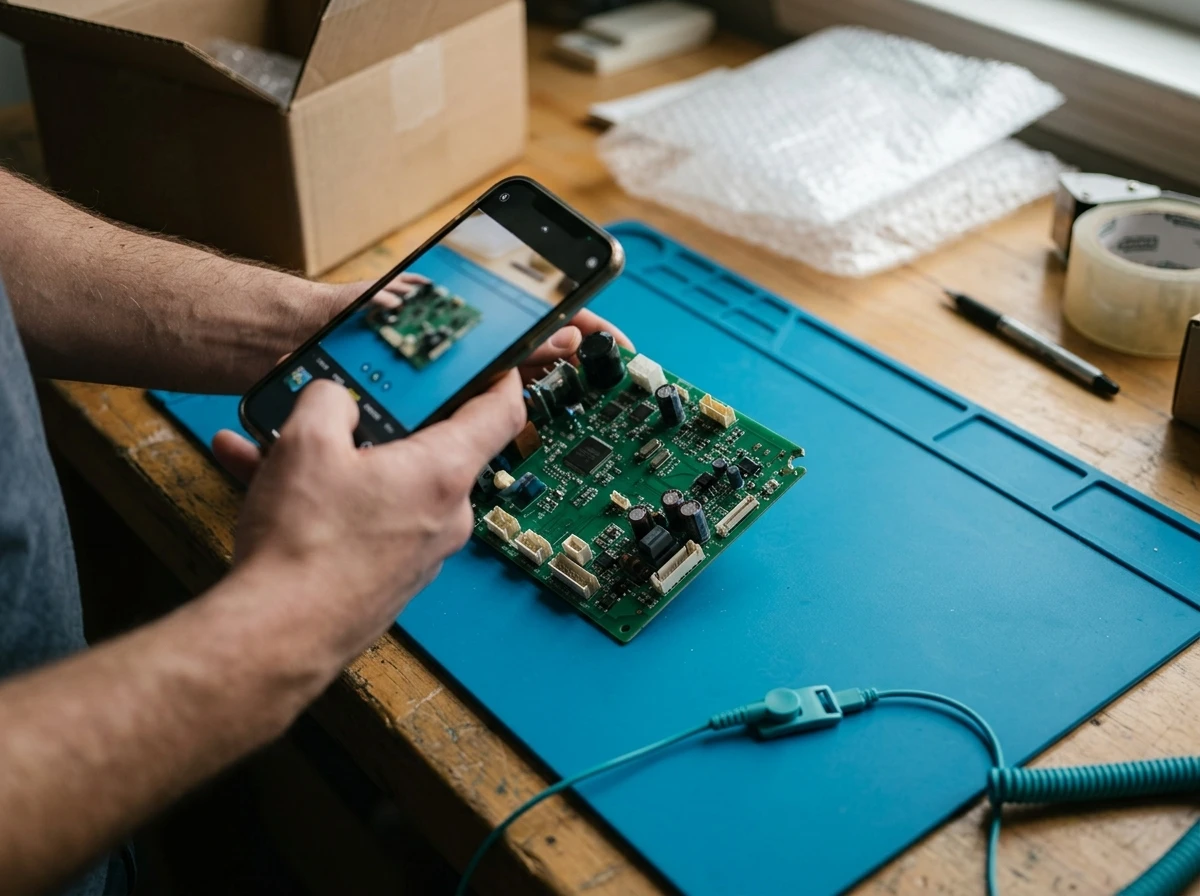
The most useful return evidence establishes what you sold, its condition, and what you actually shipped. Start with an accurate listing. Describe defects plainly and distinguish “tested working” from “powers on” or “untested”; those descriptions promise different things.
For serialized goods, capture the serial number and distinctive marks alongside condition photographs. For appliance parts, record the part number and explain how you checked compatibility. Keep private identifying records even when you choose not to display every identifier publicly.
Packaging photographs document packaging, not delivery condition. Photograph cushioning and the sealed parcel, but keep carrier tracking and any shipment receipt separately. A video can provide context, yet neither eBay nor a payment provider must treat it as conclusive proof.
Save the listing as sold, including its description and relevant photographs. Preserve buyer messages inside eBay. If a buyer disclosed their appliance model before purchase, that exchange may help explain a later compatibility dispute without proving dishonesty.
Use the shipping address supplied with the order and check applicable signature requirements for valuable shipments. eBay’s Money Back Guarantee policy explains delivery evidence and coverage conditions; requirements can vary by marketplace and transaction.
Assess concerns consistently rather than treating a new account as proof of wrongdoing. SafeBay’s buyer warning signs to check before shipping cover that separate screening decision without replacing transaction-specific evidence.
What to do when a suspicious return arrives
A suspicious return requires prompt inspection, preserved evidence, and action inside the existing eBay case. Check the displayed deadline before doing anything else. Waiting for a carrier investigation or buyer explanation can leave you with less time to respond.
Follow this sequence:
- Read the case status. Record the deadline and available actions. Establish whether you are handling a return request, an escalated case, or a payment dispute.
- Preserve the parcel. Keep the outer packaging, shipping label, packing materials, and contents together. Photograph their condition before cleaning, repairing, or dismantling the returned item.
- Compare the evidence. Check identifiers, included accessories, and disclosed condition against your outbound records. Describe each discrepancy precisely.
- Submit the facts through eBay. Use the reporting or help options available for that transaction. Explain the discrepancy and attach the clearest evidence the case allows.
- Complete the required case action. Follow eBay’s instructions before the deadline, then pursue any available appeal or reimbursement route separately.
For an empty box, distinguish the weight entered when buying postage from a weight measured by the carrier. A label can show whatever weight its purchaser supplied. Ask whether the carrier has acceptance or processing records, but do not assume those records exist or will be released.
For a suspected swap, show the outbound identifier beside the returned identifier. “The returned unit has a different serial number” gives a reviewer something concrete to assess. “This buyer is a scammer” adds an allegation without establishing the mismatch.
A message you can adapt
Keep the buyer message factual and brief:
I received the return parcel today. The returned item’s serial number differs from the item shown in my shipment records. I have documented the discrepancy and submitted it to eBay for review. Please keep any relevant packaging and continue communication through this return request.
Change the discrepancy to match your evidence. For an empty parcel, say that the parcel contained no item; avoid claiming you know who removed it unless you have supporting evidence.
Consider a returned appliance board that looks identical to yours but carries a different identifying mark. Your photographs support a mismatch. They do not, by themselves, establish who made the substitution, so ask eBay to review the documented difference rather than presenting intent as settled.
What eBay seller protection can and cannot do
eBay seller protection provides conditional safeguards, not guaranteed reimbursement for every suspicious return. Eligibility depends on the transaction, your compliance, and the evidence available. Check eBay’s current seller protections policy before relying on a deduction, feedback remedy, or financial protection.
A “no returns” setting generally addresses discretionary returns. Eligible claims that an item arrived damaged, was faulty, or did not match its description can still proceed under the Money Back Guarantee. Refusing to engage because your listing says “no returns” is a costly mistake.
Some eligible sellers can make deductions for items returned used, damaged, or missing parts under specified conditions. Do not invent a restocking penalty. Confirm that the option applies to your account and transaction, and check how escalation affects your protection.
Reporting buyer misconduct and resolving the return serve different purposes. To report fraud on eBay, use the applicable buyer-reporting route and identify the transaction, behavior, and supporting records. That report does not automatically close the return, stop a refund, or decide an appeal.
Payment disputes also have their own response process. A buyer may challenge a payment through their financial institution, and the evidence deadline can differ from the return case. Read the notice carefully rather than assuming your earlier return submission covers everything.
If negative feedback follows, check whether it qualifies for removal under eBay’s rules. Otherwise, keep any public reply factual and omit private information. Accusing the buyer publicly can create another problem without recovering your money.
Reduce repeat exposure without rejecting honest buyers
Preventing repeat abuse means retaining useful records and applying proportionate controls. Keep the reason and date alongside your internal buyer notes, so a future decision rests on evidence rather than an unexplained username.
Blocking has limits. SafeBay’s guide to blocking someone on eBay and what blocking cannot do explains future-purchase controls, while existing transactions still require their own resolution.
SafeBay was made by an eBay seller and shares reviewed buyer reports, counting risk by distinct reporting sellers while preserving each seller’s whitelist. Shared warnings can inform screening, but they do not establish fraud in your particular order.
Keep genuine return reasons visible in your records, too. Repeated compatibility complaints about the same appliance part may signal an unclear listing. Fixing that description can prevent avoidable losses without excluding legitimate customers.
We recommend matching your documentation effort to the potential loss. Detailed inspection makes sense for a valuable serialized device; a low-value item may justify a simpler record. Avoid building a process so labor-intensive that every honest return becomes unprofitable.
Frequently Asked Questions
Can you go to jail for return fraud? Deliberate return deception can lead to criminal charges and imprisonment, depending on the jurisdiction, conduct, and value involved. A disputed eBay return alone does not establish a crime; obtain local legal advice for a serious incident.
Is return fraud hard to prove? It can be, because evidence of a mismatch does not always establish intent or who caused it. Matching transaction records, outbound identifiers, returned-item photographs, and carrier evidence can make the facts easier to evaluate.
Can you get in trouble for returning a used item? Returning a used item can be legitimate when the policy permits it or use revealed a covered defect. Deliberately concealing use or making a false claim to obtain an ineligible refund can create account consequences and potential legal liability.
Can you get in trouble for returning something you stole? Yes. Returning stolen goods to obtain money or credit can create criminal exposure, with the applicable offenses depending on local law and the circumstances.
Protect your next shipment by recording the item’s identity, then give every disputed return a factual, deadline-aware response. If you have documented buyer misconduct, submit a buyer report to SafeBay for review while continuing to resolve the transaction through eBay. Preserve the evidence before it disappears.